


Accommodation reservation only by e-mail:
tatry@chataprizelenomplese.sk
Due to scheduled pest control, the Cottage at Zelené pleso will be completely closed from 4 October 2026 at 14:00 until 10 October 2026 at 10:00. During this period, both accommodation and the buffet will be closed. Thank you for your understanding.
The Cottage at Zelené pleso is open all year round. It offers a rich selection of food and drinks. Accommodation is of a tourist category – an alpine cottage for 56 people in multi-bed rooms with complete room equipment including beds and bed linen. Bed linen is automatically included in the price when staying in a room. It is not possible to sleep in a room in your own sleeping bag. Rooms are multi-bed and you may be accommodated together with other tourists.
Accommodation must be booked in advance by email. It is not possible to make a reservation by phone.
The full stay is paid in advance, upon arrival at the cottage. Upon arrival you fill in the accommodation form, pay for the accommodation – if the amount has not already been paid in advance by bank transfer – then receive basic information about your stay and get the room key.
Discounts on room accommodation are provided to members of KST, JAMES, ÖTK and ČHS. No further discounts apply to the discounted price for emergency overnight stays (sleeping in your own sleeping bag in the loft or in a farm building).
Breakfast is served all year round from 6:30 to 8:00. Dinner is served at 19:00.
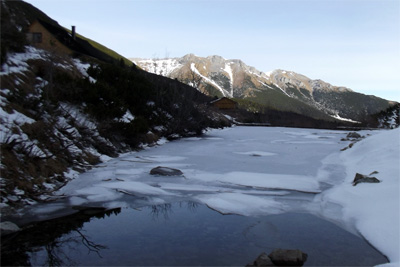
The first building in the valley intended for tourists was Egid's Cottage on Rakúska poľana, built in 1876. After several relocations and fires, a new cottage was officially opened on 27 August 1897 under the name Friedrich's Cottage. Since 1992 it has been known as the Cottage at Zelené pleso. Zelené pleso is one of the most beautiful tarns in the High Tatras.
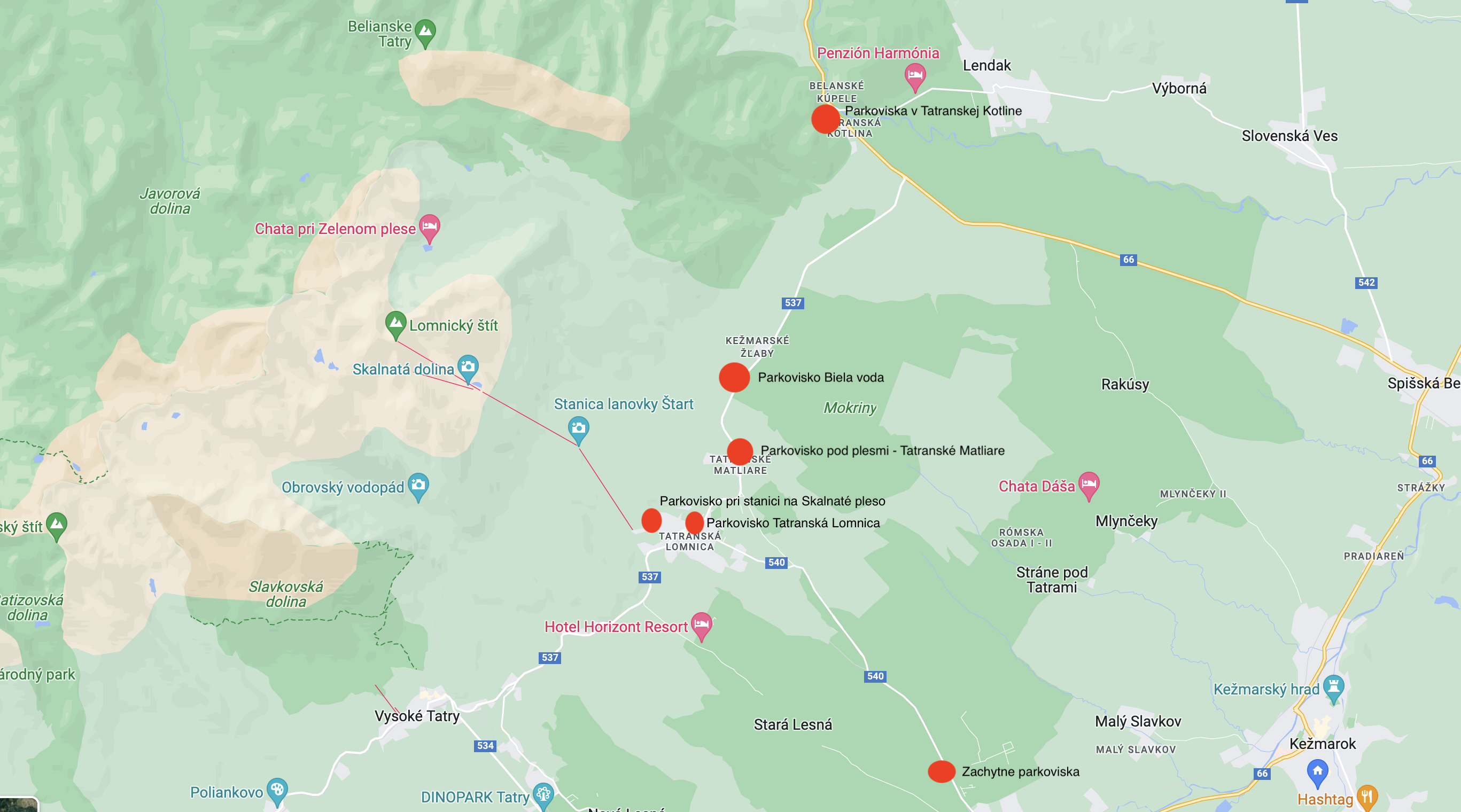
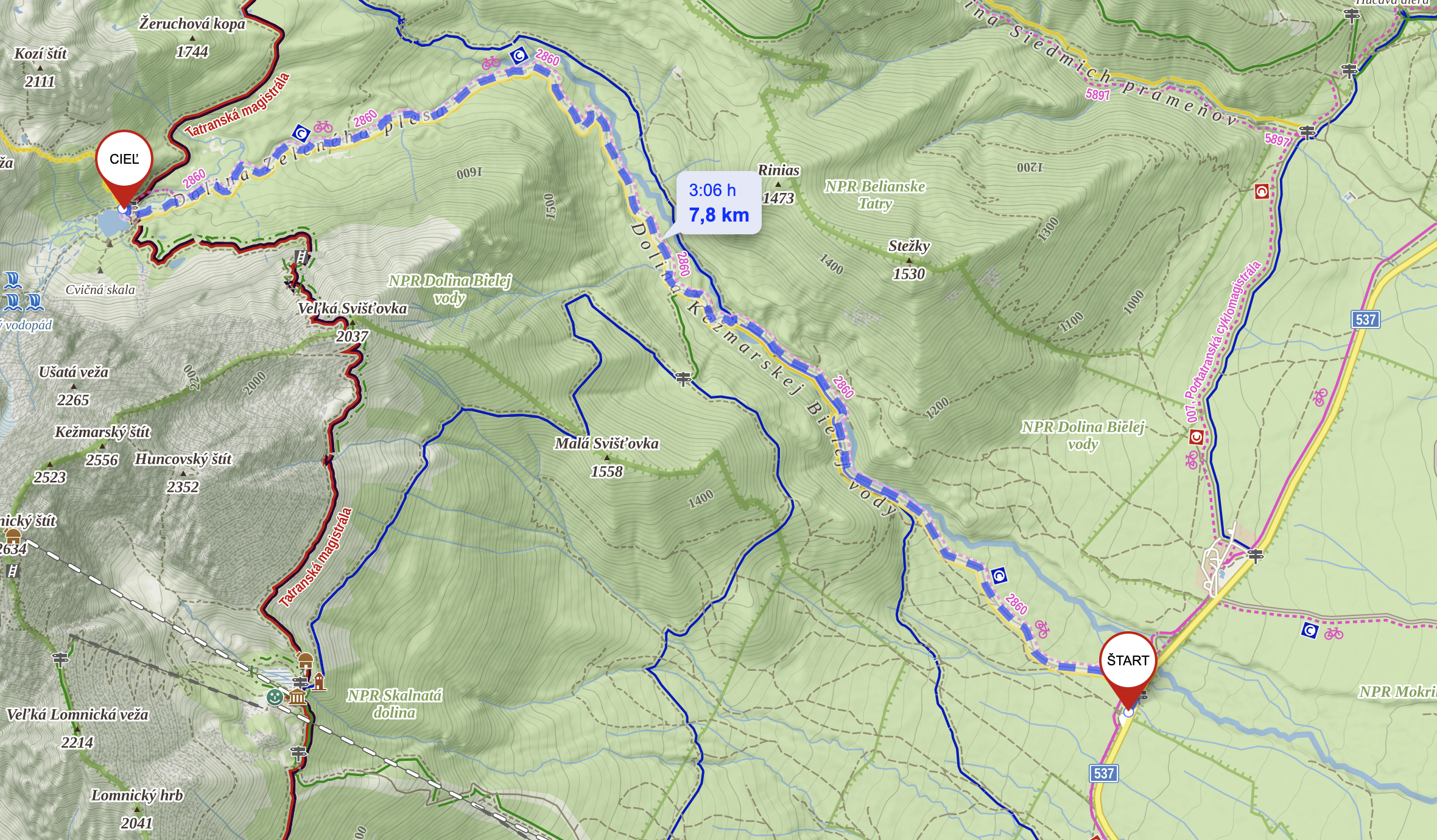
The closest car park to the cottage. The direct ascent route starts here.
GPS navigationFollow the ● blue-marked trail for approx. 2 km, where it joins the ● yellow-marked standard ascent route.
GPS navigationFree car park at the former Eurocamp site. A paid shuttle bus runs back to Biela voda from here.
From Hotel Grand Praha, pass over the old cable car building and join the ● yellow-marked trail past Hotel Hutník in Tatranské Matliare, then connect to the ● blue-marked ascent route.
GPS navigationTake the cable car to the ŠTART mid-station, or walk 3 km. At the Štart cable car building join the ● blue-marked trail towards Folvarská poľana, then ● green-marked 300 m to Kovalčíkova poľana, and from there follow the ● yellow-marked trail to the cottage.
GPS – Skalnaté pleso cable carPlesnivec: ● Green-marked trail to Biele plesá, then ● red-marked trail to the Cottage at Zelené pleso.
From Ždiar: Park in Tatranská kotlina and continue via the cottage.
GPS – Tatranská kotlina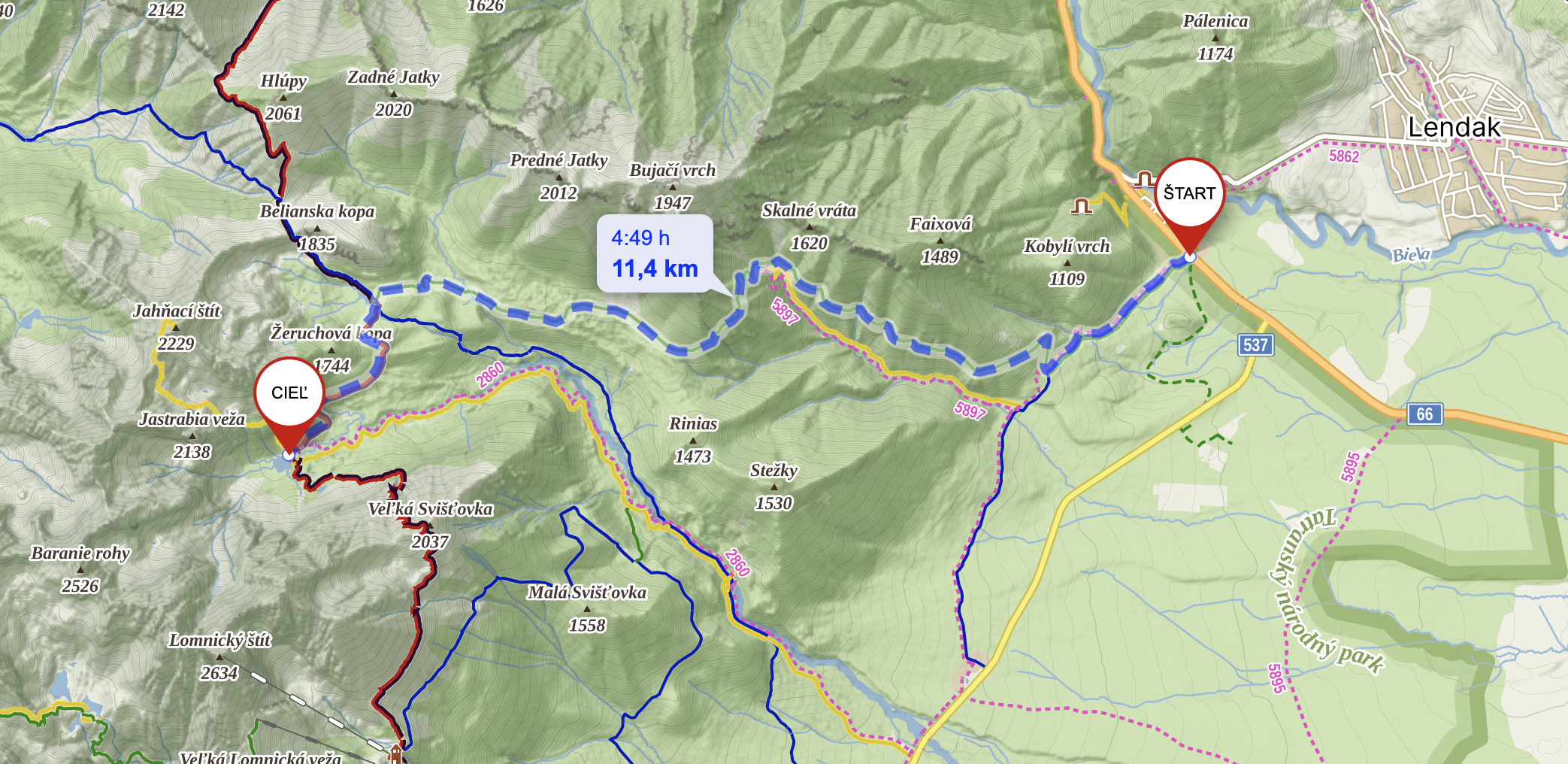
Miestny sprievodca a história okolia Chaty pri Zelenom plese
Dolina Kežmarskej Bielej vody je tvorená komplexom dolín, ktoré sa približne vo výške 1 400 m n. m. rozvetvujú na Dolinu Zeleného plesa, ktorá sa ďalej člení na Veľkú a Malú Zmrzlú dolinu, Červenú dolinku, Dolinu Bielych plies a Predné Meďodoly.
Dolina bola navštevovaná od nepamäti — najskôr poľovníkmi, drevorubačmi a pastiermi, neskôr hľadačmi pokladov, ktorí pátrali po zlate, medi a železe, ako aj zbojníkmi a pašerákmi využívajúcimi prechod cez Kopské sedlo smerom na sever.
Miestne názvy boli priamo ovplyvnené pastierskou a baníckou minulosťou doliny. Názov Dolina Zeleného plesa bol prvýkrát oficiálne písomne zaznamenaný v roku 1797. Prvou známou oficiálnou návštevníčkou bola Beáta Laska Kościelecká, ktorá dolinu navštívila počas Turíc v roku 1565.
Prvý výrazný orientačný bod nad dolinou pri vstupe od Bielej vody. Prístupná je cez Sedlo pod Svišťovkou (2 023 m n. m.), chodník bol vybudovaný už v roku 1930. Evanjelický farár Šimon Bilík (1613–1680) z Huncoviec sa tu ukrýval päť rokov (1672–1677) a pri hľadaní zlata razil štôlne. V blízkosti dnešného chodníka sa zachovali tri štôlne, pričom najhlbšia mala 11 m.
Prvá zdokumentovaná tragédia v masíve sa stala 13. júla 1701, keď počas výstupu zahynul príslušník kežmarskej vojenskej jednotky.
Dominantný vrchol doliny. Medzi prvými na ňom mohli stáť Simplicissimus a študenti kežmarského lýcea už v roku 1615. Prvý zaznamenaný výstup sa uskutočnil 21. augusta 1889 — Samuel Weber so spoločníkmi, podľa ktorého bol vrchol v roku 1890 pomenovaný. Súčasný názov pochádza z obdobia po prvej svetovej vojne.
Jeho 900 m vysoká severná stena je najvyššou skalnou stenou vo Vysokých Tatrách. Prvýkrát ju zdolali 18. augusta 1912 Július Andrej Hefty a Gyula Komárnicky. Dnes ňou vedie 109 horolezeckých ciest. Stenu pretína výrazná lávka — Nemecký rebrík — pomenovaná podľa prístupovej trasy nemeckých baníkov z rodiny Fábryovcov, ktorí tu v 18. storočí ťažili meď a malachit.
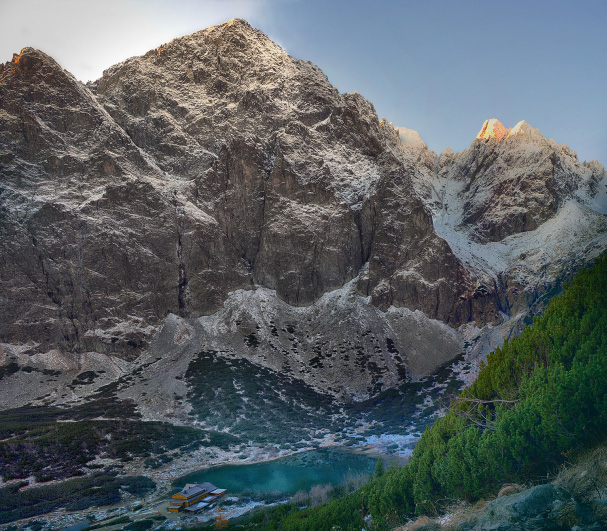
Od chaty je ukrytý za masívom Malého Kežmarského štítu, no z chodníka do Červenej dolinky je dobre viditeľný nad Medenou kotlinou. David Frölich pravdepodobne ako prvý vystúpil na vrchol v júni 1615.
Prvý známy výstup uskutočnil Edmund Téry 8. augusta 1877 spolu s M. Spitzkopfom.
Významný prechod z Doliny Zeleného plesa do Malej Studenej doliny. V zimných mesiacoch slúži ako oficiálna skialpinistická trasa.
Prvý písomný záznam o výstupe — Stolarczyk, september 1847.
Pôvodne bol známy ako Papyrusový štít. Prvý známy výstup sa uskutočnil 24. júla 1898 — Antónia Englischová so synom Karolom a horským vodcom J. Hunsdorferom.
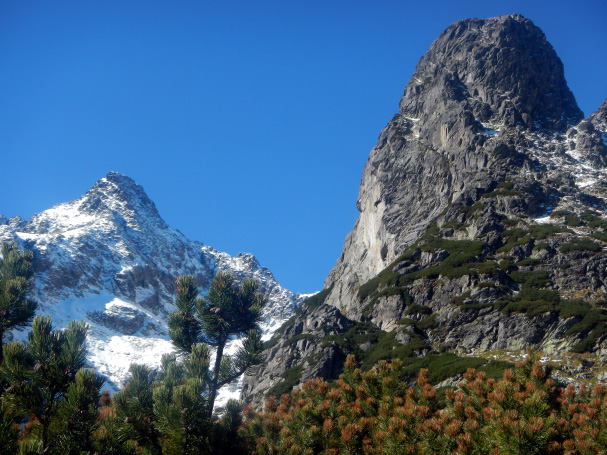
Pravdepodobne naň ako prvý vystúpil Stanisław Staszic v júli 1804 — z Javorovej doliny pri zostupe do Doliny Zeleného plesa. Názov môže pochádzať buď z kruhového tvaru plesa v Kolovej doline, alebo z reliéfu juhozápadnej steny, ktorej tri piliere pripomínajú zaostrené koly.
Jedna z najvýraznejších dominánt doliny. Pôvodne sa nazývala Kráľovský nos alebo Karbunkulová veža — hľadači pokladov verili, že na jej nedobytnom vrchole sa nachádza drahokam karbunkul. Prvý známy výstup sa uskutočnil 28. júla 1891 — Lajoš Petrik s horskými vodcami Štefanom a Matejom Faithom.
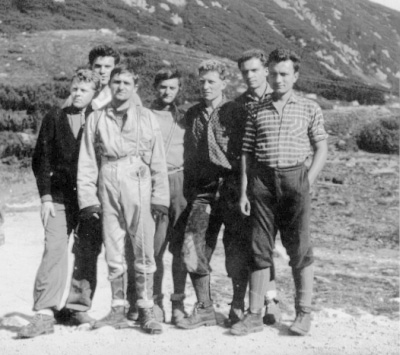
Prvý písomný záznam pochádza od R. Townsona z 9. augusta 1793. Vrchol je prístupný po značenom turistickom chodníku vybudovanom v roku 1912, ktorý je pod Kolovým priechodom (2 092 m n. m.) zabezpečený reťazou.
Názov pravdepodobne pochádza od poľovníkov a pastierov, ktorí žili v okolitých dolinách. Prvý známy výstup — Samuel Weber, 4. septembra 1895.
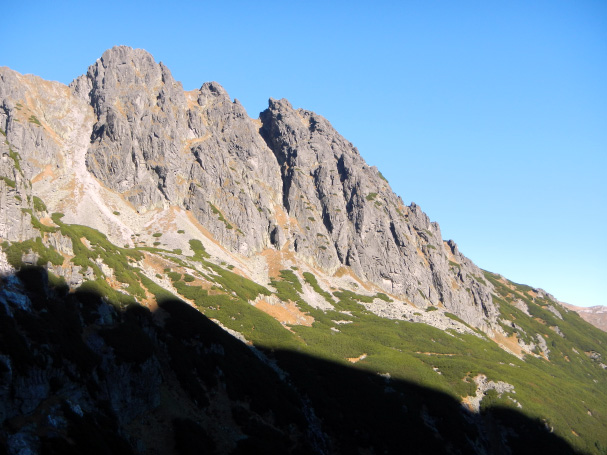
Názov pochádza pravdepodobne z hojného výskytu žeruchy — drobnej fialovo sfarbenej rastliny — pri ich úpätí.
Cez sedlo vedie značený turistický chodník. V minulosti ho využívali zbojníci a pašeráci, neskôr aj baníci hľadajúci meď v masíve Belianskych Tatier — odtiaľ pochádzajú aj názvy dvoch dolín, ktoré sedlo oddeľuje: Predné a Zadné Meďodoly (pôvodne Koperšady).
Local guide and history around the Cottage at Zelené pleso
The Kežmarok White Water Valley is formed by a complex of valleys branching at approximately 1,400 m a.s.l. into the Zelené pleso Valley, which further divides into the Great and Small Zmrzlá Valley, Červená dolinka, the White Lakes Valley and Predné Meďodoly.
The valley has been visited since time immemorial — first by hunters, woodcutters and shepherds, later by treasure seekers hunting for gold, copper and iron, and by bandits and smugglers using the pass over Kopské sedlo heading north.
The local place names were directly influenced by the valley's pastoral and mining past. The name Zelené pleso Valley was first officially published in writing in 1797. The first known official visitor was Beáta Laska Kościelecká, who visited the valley at Whitsun in 1565.
The first significant landmark above the valley at the entrance from Biela voda. Accessible via the Sedlo pod Svišťovkou saddle (2,023 m a.s.l.), built as early as 1930. The evangelical pastor Šimon Bilík (1613–1680) from Huncovce hid here for five years (1672–1677), digging tunnels in search of gold. Three preserved tunnels remain near the current trail; the deepest measured 11 m.
The first documented tragedy in the massif occurred on 13 July 1701, when a member of the Kežmarok military unit fell and died during ascent.
The dominant peak of the valley. Simplicissimus and students of the Kežmarok Lyceum may have been the first to stand on it in 1615. The first recorded ascent took place on 21 August 1889 — Samuel Weber with companions, after whom the peak was named in 1890. Its current name dates from the end of the First World War.
Its 900 m north face is the highest rock wall in the High Tatras. First climbed on 18 August 1912 by Július Andrej Hefty and Gyula Komárnicky. Today 109 climbing routes run through it. The wall is crossed by a prominent ledge — the German Ladder — named after the access route of German miners from the Fábry family, who mined copper and malachite here in the 18th century.
Hidden from the cottage behind the massif of Malý Kežmarský štít, but clearly visible above Medená kotlina from the trail to Červená dolinka. David Frôhlich was probably the first to reach the summit in June 1615.
First known ascent by Edmund Téry on 8 August 1877, with M. Spitzkopf.
An important crossing from Zelené pleso Valley to Malá Studená dolina. In winter months it serves as an official ski touring route.
First written record of an ascent — Stolarczyk, September 1847.
Originally known as Papyrus Peak. First known ascent on 24 July 1898 — Antónia Englischová with her son Karol and mountain guide J. Hunsdorfer.
Probably first ascended by Stanisław Staszic in July 1804 — from Javorová dolina descending into Zelené pleso Valley. The name derives either from the circular shape of the lake in Kolová dolina, or from the relief of the southwest face whose three pillars resemble sharpened stakes.
The most prominent landmark of the valley. Originally called Kráľovský nos (King's Nose) or Karbunkulová veža — treasure hunters believed the gemstone Carbuncle lay on its unconquerable summit. First known ascent on 28 July 1891 — Lajoš Petrik with mountain guides Štefan and Matej Faith.
The first written record was made by R. Townson on 9 August 1793. Accessible via a marked trail built in 1912, secured by a chain below the Kolový prechod (2,092 m a.s.l.).
Named probably by hunters and shepherds who lived in the surrounding valleys. First known ascent — Samuel Weber, 4 September 1895.
Named after the abundant occurrence of Cardamine — a small violet-coloured plant — found at their base.
A marked hiking trail crosses this pass. Historically used by bandits and smugglers, and later by miners searching for copper in the Belianske Tatry massif — hence the names of the two valleys it divides: Predné and Zadné Meďodoly (formerly Koperšady).

 English
  Slovak
  German